
Why Weather Is One of Your Fence’s Biggest Threats
If you’ve lived in North Alabama or Middle Tennessee for any length of time, you know our weather can be unpredictable — and it’s especially tough on fences.
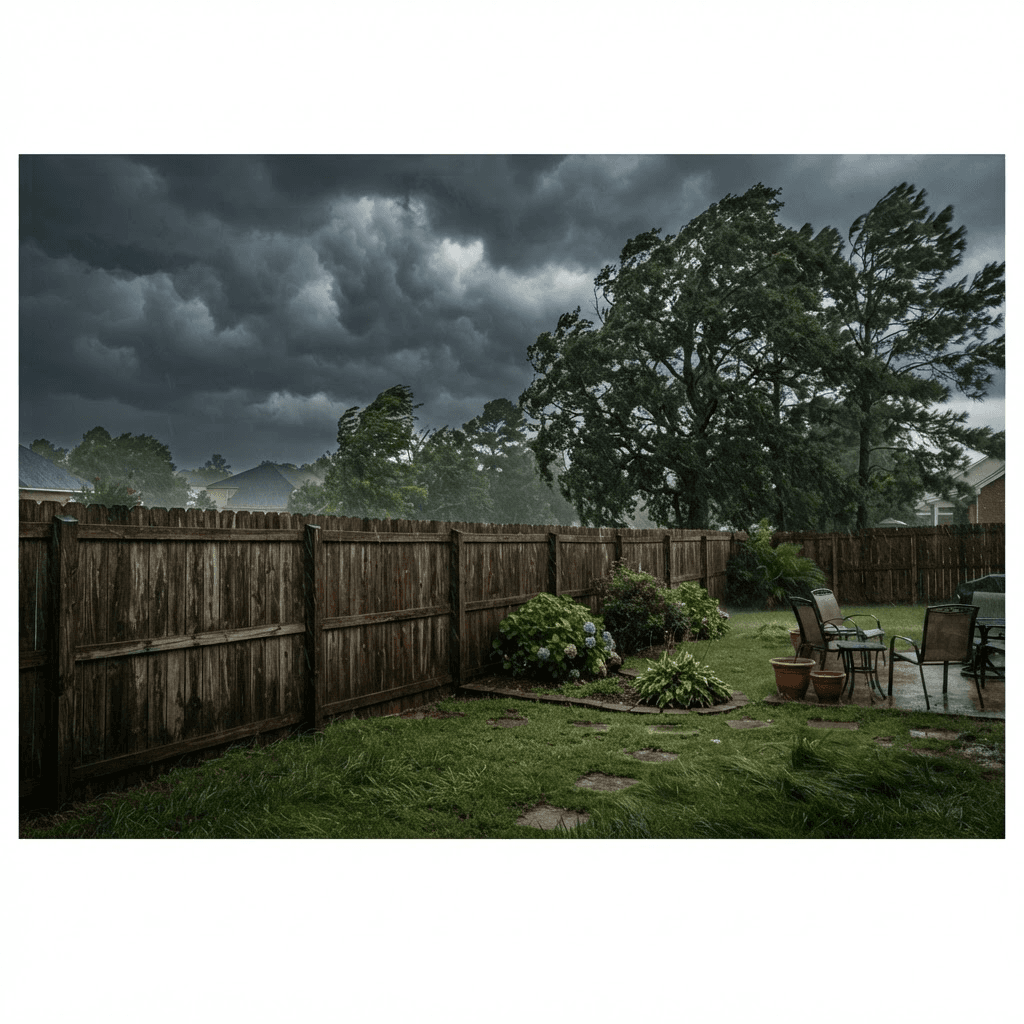
One week may bring heavy rain, followed by days of intense summer heat, then strong thunderstorms with damaging winds. While these changing conditions can be hard on homes and landscaping, they’re especially tough on fences.
Whether you own a wood privacy fence, aluminum ornamental fence, vinyl fence, or agricultural fencing, weather plays one of the biggest roles in determining how long your investment will last.
At Sands Fence Co., we’ve spent more than 20 years installing fences throughout North Alabama and Middle Tennessee. We’ve seen firsthand how local weather affects different fencing materials and why professional installation makes a significant difference over time. Here’s what every property owner should know about protecting their fence from the elements.
Why Weather Is Your Fence’s Biggest Enemy
Unlike your roof or siding, a fence is exposed to the elements from every direction. Every day your fence experiences:
- Direct sunlight
- Heavy rainfall
- High humidity
- Temperature swings
- Strong winds
- Soil movement
- Moisture trapped around posts
None of these conditions cause immediate failure. Instead, they slowly weaken materials, hardware, and structural supports until problems begin to appear. The good news is that understanding these weather-related issues allows homeowners and property owners to prevent many expensive repairs before they happen.
How Rain and Humidity Damage Wood Fences
North Alabama is no stranger to humid summers and frequent rainfall. Wood naturally absorbs moisture. As boards become wet and then dry repeatedly, they expand and contract. Over time this cycle can lead to:
- Warping
- Splitting
- Twisting boards
- Rot
- Mold or mildew growth
- Loose pickets
- Nail and screw movement
Moisture is especially problematic near fence posts where water may remain in the soil for extended periods. Without proper drainage and installation, even a beautiful fence can begin showing signs of deterioration years earlier than expected. Fortunately, regular staining or sealing and annual inspections help protect wood fencing against moisture damage.
The Impact of UV Rays and Extreme Heat
Many homeowners focus on rain, but sunlight is just as damaging. North Alabama summers regularly bring prolonged periods of intense sunshine. UV exposure can:
- Fade wood color
- Dry out lumber
- Cause cracking
- Break down protective finishes
- Increase surface splintering
Even vinyl fencing experiences expansion and contraction during extreme heat. Quality materials are designed to accommodate these changes, but proper installation allows fencing components room to perform as intended during seasonal temperature fluctuations.
Strong Winds and Severe Storms Can Test Any Fence
Thunderstorms are common throughout North Alabama and Middle Tennessee. While most fences survive everyday wind, severe weather places tremendous stress on:
- Fence posts
- Rails
- Gates
- Fasteners
- Corner sections
Privacy fences are especially vulnerable because solid panels catch significantly more wind than ornamental aluminum fencing. Many storm failures aren’t caused by the wind alone — they expose installation issues that already existed. Professionally installed posts, quality hardware, and proper spacing help fences better withstand severe weather.
Seasonal Weather Challenges in North Alabama
Every season presents different challenges for your fence.
Spring
Heavy rain softens soil, increasing movement around fence posts while storms produce strong winds.
Summer
High humidity, intense sunlight, and heat accelerate fading, drying, and expansion.
Fall
Leaves collect against fences, trapping moisture while cooler nights begin another cycle of expansion and contraction.
Winter
Although North Alabama winters are generally mild, freezing temperatures can occasionally affect saturated soil around posts, contributing to movement over time. Regular seasonal inspections help identify small issues before they become expensive repairs.
Which Fence Material Holds Up Best?
There isn’t one perfect fencing material. Each offers advantages depending on your property and maintenance preferences.
Wood Fencing
Wood remains one of the most popular choices because it provides excellent privacy, a timeless appearance, custom design flexibility, and natural beauty. With routine maintenance, properly installed wood fencing can provide decades of dependable service.
Vinyl Fencing
Vinyl is popular for homeowners wanting minimal maintenance. It doesn’t rot, doesn’t require painting, cleans easily, and keeps a long-lasting appearance. However, professional installation remains critical because posts and rails must properly support expansion and resist wind loads.
Aluminum Fencing
Aluminum fencing performs exceptionally well in humid climates. Benefits include rust resistance, low maintenance, excellent durability, an elegant appearance, and great visibility. It’s especially popular around pools, front yards, and decorative property boundaries.
Warning Signs Weather Is Taking Its Toll
Many homeowners don’t notice problems until significant damage has already occurred. Watch for these warning signs:
- Leaning fence posts
- Sagging gates
- Warped boards
- Rot near the ground
- Loose pickets
- Rusted hardware
- Cracked vinyl panels
- Uneven fence lines
- Sections moving during windy conditions
Addressing these issues early often prevents much larger repairs later.
Simple Maintenance Tips That Extend Fence Life
Routine maintenance can significantly increase your fence’s lifespan. Consider these simple steps:
- Inspect twice per year — walk your fence every spring and fall looking for movement, loose hardware, damaged boards, or leaning posts.
- Keep vegetation trimmed — bushes, vines, and tall grass trap moisture against fencing materials and accelerate deterioration.
- Improve drainage — avoid allowing mulch, soil, or standing water to build up around fence posts.
- Clean your fence — remove dirt, algae, and mildew before they damage finishes or encourage rot.
- Repair small problems quickly — replacing one damaged board today is much less expensive than replacing an entire section next year.
Repair or Replace?
Sometimes repairs are the best solution. If damage is isolated to one section, a few pickets, a gate, or individual posts, a repair may restore your fence’s appearance and strength.
However, replacement often becomes the better investment when multiple posts have failed, widespread rot exists, storm damage affects several sections, or the fence has reached the end of its useful life. A professional inspection can help determine which option provides the greatest long-term value.
Why Professional Installation Makes All the Difference
Weather affects every fence. The difference is how well the fence was built before the weather arrived. Professional installers account for:
- Soil conditions
- Drainage
- Proper post depth
- Concrete placement
- Fence spacing
- Material selection
- Wind exposure
- Gate support
Built to perform
These details aren’t always visible after installation — but they become incredibly important years later. At Sands Fence Co., every project is designed with North Alabama and Middle Tennessee’s unique weather conditions in mind, so your fence isn’t simply built to look great on installation day; it’s built to perform for years to come.
Frequently Asked Questions
- How often should I inspect my fence?
- Inspect your fence at least twice each year and after severe storms. Regular inspections help identify loose posts, damaged boards, or failing hardware before repairs become more expensive.
- Does North Alabama humidity shorten the life of wood fences?
- Humidity can accelerate moisture-related issues such as warping, rot, and mildew if a wood fence isn’t properly maintained. Routine staining or sealing helps protect against these conditions.
- Which fence material requires the least maintenance?
- Aluminum and vinyl fencing generally require less maintenance than wood. However, every fence benefits from regular inspections and occasional cleaning.
- Can storm-damaged fences be repaired?
- Many can. The extent of the damage determines whether repair or replacement is the better option. A professional inspection provides the best recommendation.